




7 F&B Exhibition Booth Design Mistakes to Avoid


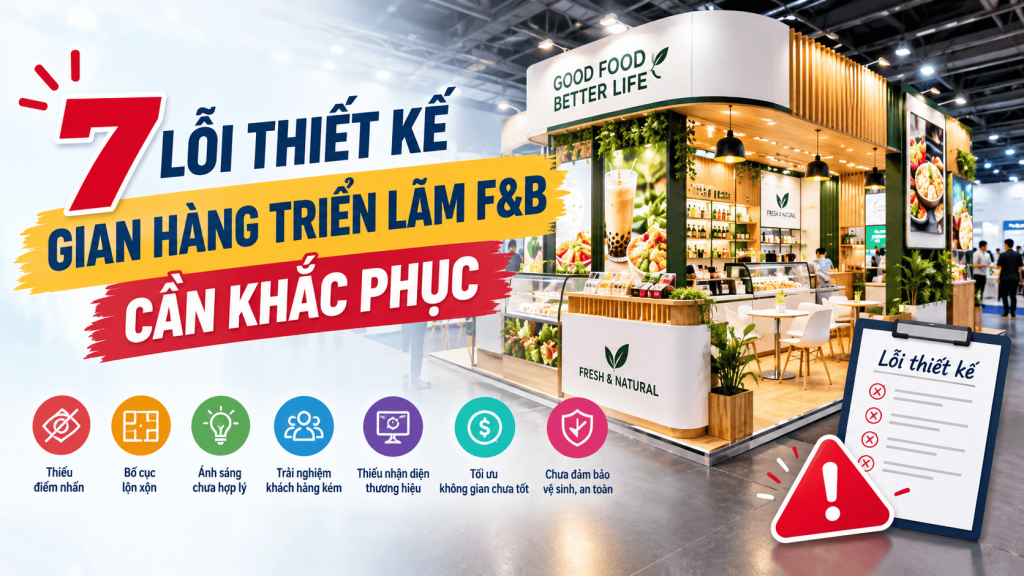
Designing coffee and F&B exhibition booths demands strict standards regarding bar workflow, electrical and plumbing infrastructure, and sensory touchpoints. Large-scale trade events at the Saigon Exhibition and Convention Center (SECC) consistently impose rigorous engineering requirements to ensure safe machinery operation. This article analyzes in detail 7 common layout mistakes alongside technical solutions to help businesses optimize their B2B customer conversion rates.

1. Bar Layouts Causing Operational Bottlenecks
Placing the bar counter too close to primary walkways creates bottlenecks for crowds waiting to sample products. This layout obstructs visitor circulation and completely conceals core product displays located further inside.
Businesses should apply an island booth design model to establish a dedicated, separate queueing zone. Island structures help maintain a safe distance of 1.5 to 2 meters from the counter edge to the common corridor.
Clearly separate three independent zones comprising the preparation area, tasting area, and contract discussion tables. This solution optimizes bar workflow, enabling staff to serve rapidly and fostering B2B networking opportunities.
2. Overlooking Water Supply and Drainage Raised Flooring
Standard Electrical Capacities for F&B Equipment
Commercial espresso machines like La Marzocco or Giesen roasters mandate independent 3-phase electrical lines and dedicated plumbing. Neglecting this technical infrastructure easily leads to electrical overloads or water leaks during the event.
Standardized coffee booth construction solutions require the installation of a raised technical floor elevated by at least 10cm. The clearance beneath the floor allows all water supply pipes and high-capacity electrical cables to run underground safely.
This method completely eliminates short-circuit or wastewater overflow risks into the corridors of the Saigon Exhibition and Convention Center (SECC). Project owners should register electrical capacities in advance with organizers to ensure SECC 2026 booth regulations are enforced accurately.
3. Enclosing Spaces and Losing Olfactory Touchpoints
Using tall partitions or fully sealed tempered glass prevents coffee aromas from dispersing outward. This design flaw sacrifices the most crucial olfactory touchpoint designed to attract passing prospective customers.
The beverage sector needs to equip smart ventilation systems that direct signature aromas straight out into the exhibition's main traffic flow. Businesses should maintain open spaces with at least 2 to 3 open sides to effectively awaken visitors' sense of smell.
Open structures paired with directional airflow enable visitors to easily recognize brands from a distance. This solution maximizes utility for live roasting stations at trade fair coffee exhibitions.
4. Facing Frontages Against Trade Fair Traffic Flows
Positioning logos or product focal points away from primary walking paths causes visitors to easily miss the brand. Opening orientations running counter to pedestrian flow significantly reduce organic visitor acquisition.
Business owners must thoroughly study the floor plans provided by organizer Coex Vina. This data helps accurately determine whether booth locations are 2-frontage corner booths or 1-open-side inline booths.
Booth design contractors must direct all brand identity toward visitors approaching from main entrances or major intersections. Proper frontage alignment ensures the space captures the full volume of industry professionals attending the event.
5. Displaying Products Randomly Without Focus
Displaying excessive equipment or ingredients creates visual clutter, concealing core products. Visitors typically glance past booths very quickly, meaning a disorganized space will diminish brand recall.
Brands should prioritize high-intensity lighting and central placement for hero products. Supporting merchandise or catalogs should be arranged neatly onto perimeter wall shelving.
Real-world examples from Trung Nguyên Legend's booth demonstrate that focusing on highlighting a single flagship product line delivers high conversion efficacy. Applying minimalist principles makes communication messaging sharper and leaves a deeper impression.
6. Applying Incorrect Light Color Temperatures
Standards for Appetizing Lighting
Industrial cool-white LED lighting makes food, beverages, and coffee beans look pale and unappetizing. Discrepancies in lighting parameters directly diminish appetite appeal and lower the perceived value of F&B items.
Exhibition quotation experts consistently advise utilizing spotlights featuring a Color Rendering Index (CRI) above 90. This technical parameter ensures products reflect true actual colors under visitor gaze.
Event managers should set color temperatures within the 3000K to 4000K range at bar counters and tasting tables. This warm golden light honors coffee's original colors while creating a friendly, welcoming ambiance.
7. Partnering with Contractors Lacking F&B Experience
Entrusting projects to residential design units lacking moisture-resistant material expertise shortens the lifespan of exhibition bar counters. These partners often lack solutions for event booth plumbing integration and food safety hygiene standards.
Project owners should seek partners possessing proven track records in executing large-scale culinary events. A professional exhibition booth design firm provides pre-engineered solutions for safe 3-phase electrical distribution.
Construction crews must utilize materials that minimize harmful industrial paint odors. Friendly counter surfaces help preserve the delicate flavor profiles of beverage ingredients throughout the 3-day event.
Frequently Asked Questions on F&B Booth Design (FAQ)
What is the optimal color temperature for beverage booths?
The optimal color temperature for culinary display zones ranges from 3000K to 4000K. Warm golden light paired with a CRI above 90 makes beverages look appealing and reflects true natural colors.
How far in advance must water supply and drainage infrastructure be registered at SECC?
Businesses must finalize technical infrastructure registration dossiers with SECC management at least 30 days prior to opening day. This process ensures organizers can promptly route underground water pipes to the registered booth coordinates.
What is the baseline budget for executing a technically compliant 18 sqm F&B booth?
Turnkey F&B booth quotations depend on technical flooring complexity, lighting systems, and bar counter materials. Businesses must allocate a reasonable budget to guarantee smooth water and electrical infrastructure powering commercial machinery.
What is the most reasonable method to generate aromatic customer attraction?
The most effective solution is designing an open space with a minimum of 2 open sides. Simultaneously, install low-capacity exhaust fans to direct airflow carrying roasted coffee aromas straight out into the main corridor.
Conclusion
An optimized functional booth delivers seamless experiences, attracts B2B partners, and elevates brand positioning at specialized events. Cohesive integration between bar workflows, technical infrastructure, and sensory touchpoints directly dictates conversion rates.
Businesses should proactively collaborate with seasoned exhibition experts to establish comprehensive layout blueprints. Please contact our advisory team immediately to receive optimal space-saving bar layouts and plan secure construction operations.
-
1 Star
0
-
2 Star
0
-
3 Star
0
-
4 Star
0
-
5 Star
0
Filter by keyword
All
Reviews 5 ★
Reviews 4 ★
Reviews 3 ★
Reviews 2 ★
Reviews 1 ★
Comment List
Related Articles

01/11/2026

33
Vietnam Energy Week 2026 Booth Construction at SECC
Exhibition booth design and construction services for Vietnam Energy Week 2026 at SECC deliver comprehensive showcase solutions for energy conglomerates. Reputable contractors commit to on-time handover, the deployment of eco-friendly recyclable materials, and optimized brand recognition. This turnkey workflow enables partners to maximize investment efficiency while engaging thousands of targeted trade visitors.
01/11/2026
55
Vietnam Energy Week 2026: Schedule & Location Details
Vietnam Energy Week 2026 will officially take place from November 4 to November 6, 2026, at the Saigon Exhibition and Convention Center (SECC), District 7, Ho Chi Minh City. Organized by Informa Markets Vietnam, the event brings together over 400 exhibitors showcasing advanced renewable energy and power storage technologies. Corporate representatives should review the thematic seminar schedule and booth layout below to organize their working agenda for maximum productivity.
01/11/2026
35
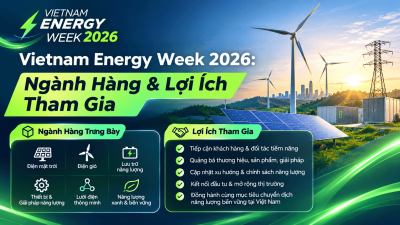
Vietnam Energy Week 2026: Industries & Exhibitor Benefits
Vietnam Energy Week 2026 attracts numerous enterprises from the electric power, renewable energy, and green digital infrastructure sectors. This exhibition series provides a direct trade platform, enabling partners to access the global supply chain seamlessly. The content below details key exhibit sectors and strategic benefits when leasing booths at SECC.
01/11/2026
33
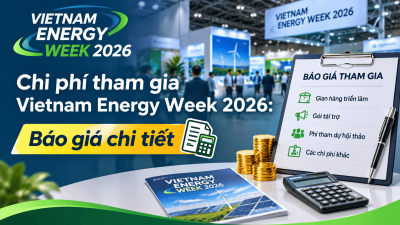
Vietnam Energy Week 2026: Detailed Participation Costs
Participation costs for Vietnam Energy Week 2026 depend on booth footprint, booth type, and actual construction budgets of each enterprise. Standard quotations from organizer Informa Markets range from 378 to 500 USD/m² for exhibition floor space at the SECC exhibition center. Clients need to budget for auxiliary technical service fees, architectural spatial design, and operational staffing to ensure an effective exhibition campaign.
01/11/2026
27
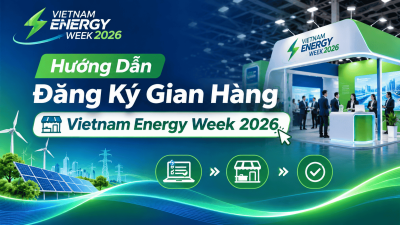
Guide to Registering a Booth at Vietnam Energy Week 2026
Registering for an exhibition booth at Vietnam Energy Week 2026 requires enterprises to prepare technical documentation, determine booth footprints, and finalize space rental contracts at the SECC hall early. Organized by Informa Markets, the event will take place from November 4 to November 6, 2026. The content below provides a straightforward four-step booking workflow, reserve power grid parameters, and strategies for optimizing construction budgets.
01/11/2026
29
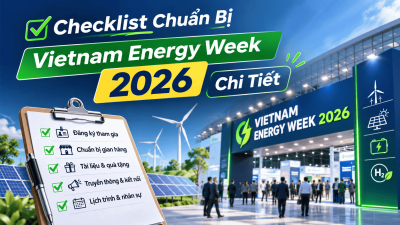
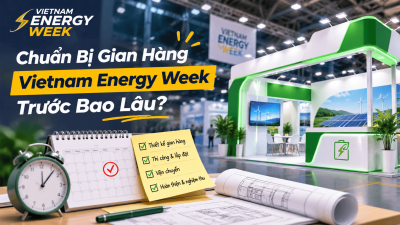
Ultimate Checklist for Vietnam Energy Week 2026
Vietnam Energy Week 2026, taking place from November 4 to November 6, 2026, at SECC, is a premier power technology exhibition in the region. Preparing a detailed 4-phase checklist helps B2B enterprises optimize booth construction budgets and drive lead conversion rates. This article provides specific quantitative benchmarks to support business networking for peak commercial performance.
01/11/2026
33
Preparation Timeline for Vietnam Energy Week 2026 Booths
Taking place from November 4 to November 6, 2026, at SECC, Vietnam Energy Week 2026 is the region's premier electrical technology exhibition. Preparing a detailed 4-phase checklist helps B2B enterprises optimize booth construction budgets and drive conversion rates. This article provides concrete quantitative metrics to support maximum trade networking efficiency.
01/11/2026
27
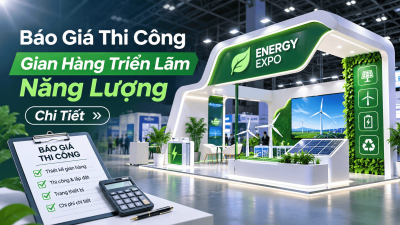
2026 Energy Exhibition Booth Construction Quotes
Energy exhibition booth construction quotations at the SECC center currently range from 2,000,000 to 7,000,000 VND per square meter. Solar energy exhibition booth costs depend directly on reinforced load-bearing plinth structures for Battery Energy Storage Systems (BESS). Exhibitors should thoroughly review the energy booth construction price table to budget accurately ahead of Vietnam Energy Week 2026.
01/11/2026
33
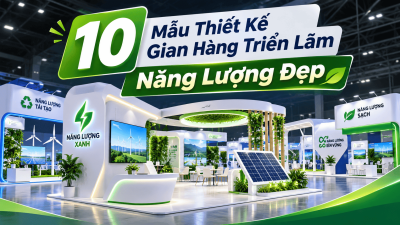
10 Stunning Energy Exhibition Booth Designs for 2026
Energy exhibition booth design requires a harmonious blend of cutting-edge technology and sustainable development messaging. Enterprises participating in Vietnam Energy Week 2026 at SECC consistently prioritize optimizing display spaces for specialized equipment. A scientific layout approach effectively highlights energy storage systems (ESS), inverters, and smart grid systems.
01/11/2026
29
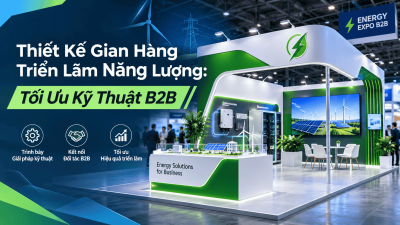
Energy Booth Design: B2B Technical Optimization at SECC
Arranging an energy exhibition booth requires in-depth technical solutions to resolve two core challenges: the shelving framework must withstand substantial structural loads from ESS battery storage blocks, and the spatial layout must optimize the on-site B2B deal-closing process. In preparation for Vietnam Energy Week 2026 at the SECC center, brands must establish a scientific traffic circulation flow. Zones displaying solar panels, power inverters, and testing benches must strictly comply with electrical safety standards. This guide provides an optimal spatial zoning blueprint specifically tailored for energy corporations.


No reviews yet.