




7 Ways to Design Eco-Friendly, ESG-Compliant Exhibition Booths


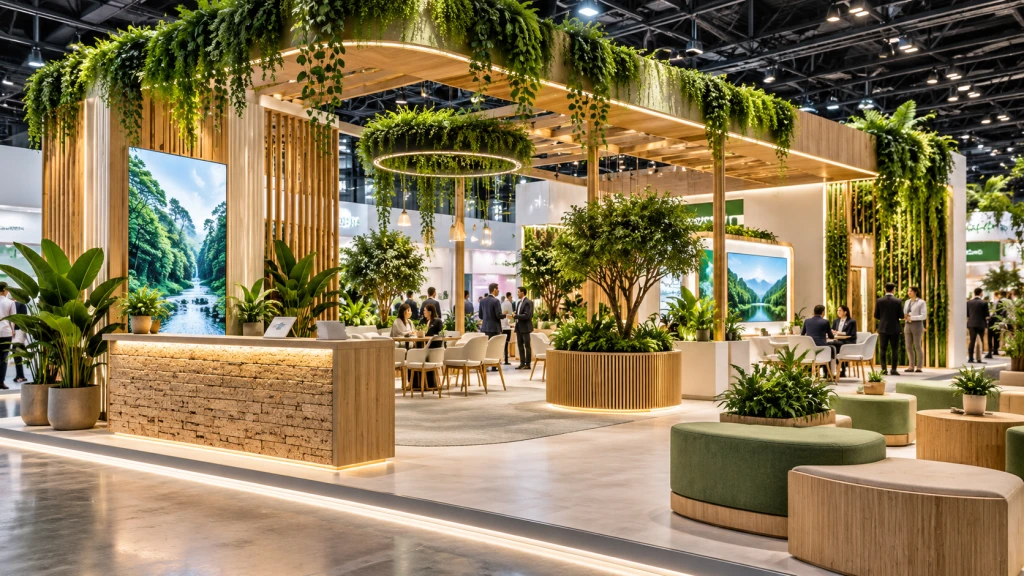
Eco-oriented exhibition booth design focuses on utilizing reusable modular structures and energy-efficient technologies to eliminate event waste. This sustainable construction method enables businesses to cut long-term material costs by 50% while enhancing brand identity in alignment with ESG standards. The seven technical solutions outlined below deliver tangible transformation and optimize exhibition space at trade shows.

Why is eco-friendly booth design an inevitable trend?
Eco-friendly booth design is an approach to exhibition spaces that prioritizes reusable materials and energy-saving technologies. This solution helps businesses strictly adhere to global ESG standards when participating in international trade events. It allows managers to easily monitor and control carbon emissions generated during the booth construction process.
This ecological approach yields superior year-over-year return on investment. A 2025 survey by Informa Markets confirms that eco-friendly booth construction saves up to 40% on storage costs. Sustainable exhibition spaces naturally attract customers who prioritize environmental responsibility.
7 Most Effective Ways to Design Eco-Friendly Exhibition Booths
The seven technical methods below combine advanced material technologies with lean management processes. Businesses that comprehensively implement these solutions can create professional, cost-optimized exhibition spaces that protect the ecosystem.
1. Prioritizing recycled and biodegradable materials
Construction engineers prioritize the use of FSC-certified wood, pressed bamboo, or high-strength honeycomb cardboard over traditional PVC sheeting. These eco-friendly materials offer excellent mechanical durability and fully biodegrade in the natural environment at the end of their lifecycle. Partition surfaces feature natural jute fabric, enhancing the overall aesthetic appeal of the booth's architecture.
2. Application of flexible modular structures
Modular structures utilizing international standard aluminum framing systems—such as Octanorm or beMatrix—ensure absolute stability for the booth. Smart locking mechanisms enable technical teams to assemble and dismantle the structure quickly while allowing for flexible layout adjustments to suit various exhibition floor plans. Businesses can reuse 100% of this framework for numerous trade events over the coming years.
3. Use of 100% energy-efficient LED lighting systems
High-output LED lights completely replace halogen systems, which generate excessive heat and consume significant energy. Modern lighting technology maintains a standard illuminance of 500 lux while cutting actual electricity consumption by 85%. Architects strategically incorporate ceiling openings to harness natural diffused light from the exhibition center.
4. Transitioning to water-based paints and minimizing chemical adhesives
Water-based, bio-based paints meeting Zero-VOC or Low-VOC standards ensure fresh air quality in consultation areas. This safe display environment helps protect the respiratory health of event staff and visitors alike.
Technicians connect modules using specialized fasteners instead of industrial adhesives to facilitate rapid, intact dismantling.5. "Paperless" – Digitizing documents and the customer experience
The business replaces traditional paper materials with a QR code system integrated directly into the wall panels. Customers can scan the codes to instantly download a detailed e-catalogue to their personal mobile devices. Virtual Reality (VR) technology combined with interactive screens offers an immersive, authentic product exploration experience.
6. Biophilic Design – Integrating natural greenery into the space
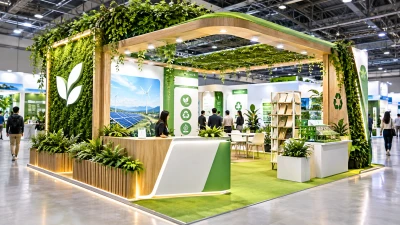
The Biophilic Design philosophy incorporates features such as fern walls, natural moss carpets, or indoor potted plants as central visual highlights. Natural greenery purifies the air, creating a cool, refreshing atmosphere amidst the bustling event area. This eco-friendly display area attracts many visitors who stop to take photos.
7. Waste lifecycle management planning (Zero-waste Plan)
Renting audiovisual equipment and conference furniture from local suppliers helps the business optimize logistics costs. Staff set up sorting stations for recyclables and organic waste right in the reception area. This closed-loop management process completely eliminates waste generation after the trade event concludes.

-
1 Star
0
-
2 Star
0
-
3 Star
0
-
4 Star
0
-
5 Star
0
Filter by keyword
All
Reviews 5 ★
Reviews 4 ★
Reviews 3 ★
Reviews 2 ★
Reviews 1 ★
Comment List
Related Articles

19/10/2026

77
How Much Does It Cost to Participate in Trade Fairs and Exhibitions in 2026?
Exhibition participation costs in 2026 range from 20 million VND for a standard 9m² booth to hundreds of millions of VND for a custom raw space booth. The financial budget estimate includes space rental rates, booth construction quotations, venue management fees, and accompanying operational expenditures. Marketing Directors must accurately measure each item to ensure the highest return on investment.
19/10/2026
91
Schedule of the 10 Largest Trade Fairs and Exhibitions in Vietnam in 2026
The schedule of Vietnam is largest trade exhibitions in 2026 gathers key B2B events such as Vietnam Expo, Vietbuild, and HawaExpo, hosted at SECC and VEC. This list provides accurate dates and venues, helping manufacturing and import-export enterprises plan booth registration 3 to 6 months in advance. Early preparation ensures brands secure prime display locations and optimize trade show booth construction budgets.
19/10/2026
94
Latest 2026 Schedule of Trade Fairs and Exhibitions in Vietnam (SECC, VEC)
The 2026 Vietnam Exhibition and Trade Fair Schedule compiles comprehensive data on major B2B commercial events held at the SECC and VEC exhibition centers. This summary provides precise event dates, helping businesses proactively plan partner outreach. Mastering these trade promotion milestones provides corporate leadership with a solid foundation to book spaces and plan highly effective 2026 exhibition booth designs.

08/10/2026
188
Why Do Single-Use Booths Generate So Much Waste?
Single-use exhibition booths generate a massive volume of waste due to bonded plywood structures reinforced with nails and glue that must be demolished after just a few days of display. In 2019, Informa Group published data confirming that this raw construction model accounts for up to 80% of total waste at global B2B events. Businesses need to transition to reusable modular booth designs to optimize up to 70% of their budget and fully comply with green ESG standards.
08/10/2026
168
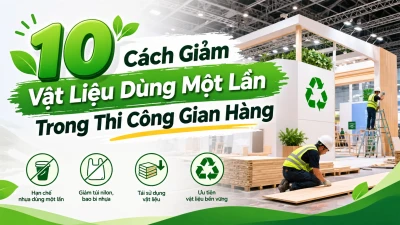
10 Ways to Reduce Single-Use Materials in Booth Construction
Businesses optimize their sustainable exhibition booth construction budgets by applying 10 Better Stands-compliant modular design solutions. The Octanorm aluminum frame system combined with SEG fabric walls and Click-lock SPC flooring helps reduce post-event material waste by up to 70%. This smart assembly solution provides flexible area reconfigurability, maximizing financial efficiency for B2B marketing departments.
08/10/2026
171
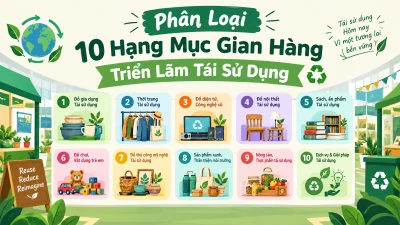
Reusing Booths After the Exhibition: Which Components Can Be Reused?
Modular booths allow business owners to reuse up to 95% of structural components and materials after an event. Core items suitable for circular rotation include extruded aluminum frame systems, plug-and-play lighting equipment, and modular flooring. The Better Stands assessment framework requires managers to clearly classify each component group to establish comprehensive, long-term booth storage solutions.
08/10/2026
178
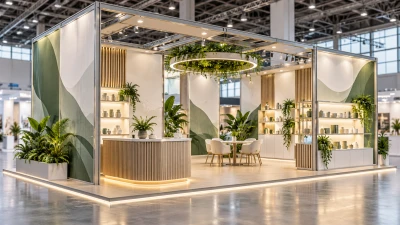
Designing Reusable Exhibition Booths: Key Considerations
Modular booth design utilizing an aluminum profile framing system combined with tension fabric helps businesses save up to 50% of their budget across multiple exhibitions. This model replaces traditional carpentry with mechanical lock connectors, allowing precise area adjustments from 18m² up to 54m². Below is a detailed analysis of technical specifications and the Total Cost of Ownership (TCO) optimization strategy for brands attending annual trade shows.
05/10/2026
164
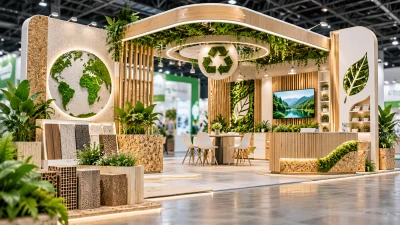
Construction of Eco-Friendly Exhibition Booths: Sustainable Materials & Solutions
Constructing eco-friendly exhibition booths involves using reusable modular structures to meet Informa Markets Better Stand standards while optimizing event budgets by 40%. This sustainable model combines extruded aluminum alloys with reclaimed wood, creating a sophisticated image for businesses at major venues like the SECC. The information below outlines the material specifications and optimal construction solutions tailored to your brand.
04/10/2026
148
The Trend of Eco-friendly Booths in the Current Exhibition Industry
The "Green Booth" trend of 2026 is emerging as a key shopping solution, focusing on the distribution of high-energy-efficiency appliances and ESG-compliant products. This eco-friendly model enables households to directly cut electricity costs by 40% while creating market expansion opportunities for sustainable manufacturers.
07/10/2026
162
What Is ESG? A Guide to Corporate Green Transition 2026
The "green booth" is a design solution that utilizes 100% recycled materials combined with energy-efficient equipment. This model enables businesses to cut operating costs by 30% while fully meeting international ESG standards. Commercial corporations are increasingly shifting toward eco-friendly exhibition structures to boost their competitive advantage. The trend toward sustainable consumption is reshaping the entire modern retail ecosystem. Green marketing strategies implemented through physical spaces help brands build solid trust with investment partners. The following article analyzes four core reasons driving business owners to aggressively invest in green booth designs.


No reviews yet.